𝐏𝐑𝐈𝐌𝐀: 𝐆𝐡𝐚𝐧𝐚 𝐈𝐧𝐭𝐞𝐧𝐬𝐢𝐟𝐢𝐞𝐬 𝐀𝐜𝐭𝐢𝐨𝐧 𝐭𝐨 𝐑𝐞𝐝𝐮𝐜𝐞 𝐌𝐚𝐭𝐞𝐫𝐧𝐚𝐥 𝐃𝐞𝐚𝐭𝐡𝐬
For every mother who survives childbirth, a family keeps its centre, a community retains its strength, and a child receives the care that only a mother can provide. Yet when a mother dies from a preventable cause, the loss reaches far beyond the delivery room.
It is against this backdrop that Ghana launched the Presidential Initiative on Maternal Health and Emergency Response (PRIMER), with the Vice President, H.E. Prof. Jane Naana Opoku-Agyemang, calling for sustained action to protect the lives, safety and dignity of women before, during and after pregnancy.
Speaking at the launch, the Vice President noted that PRIMER was developed in response to concerns about the country’s insufficient progress in reducing maternal deaths and through collaboration among the Presidency, the National Development Planning Commission (NDPC), the health sector and development partners.
She called for ownership across government, regions and districts, as well as among families, communities, traditional and religious leaders, civil society and the private sector. She stressed that the success of the initiative would depend on translating commitments into budgets, implementation and measurable results.
The Senior Presidential Advisor on SDGs, Dr Nii Moi Thompson, explained that PRIMER had been structured around key areas requiring sustained attention, including policy and governance, institutional accountability, sustainable financing and multisectoral coordination. He noted that the health sector’s existing maternal health interventions had been integrated into the initiative to strengthen clinical and operational care without duplicating existing structures.
Dr Thompson highlighted weaknesses in the referral system and challenges in the early identification of high-risk women at the primary healthcare level, based on reviews conducted with stakeholders.
The Deputy Minister of Health and Chair of the PRIMER Multisectoral Technical Working Group, Hon. Grace Ayensu Danquah, stressed that increasing the number of women entering the formal healthcare system was not enough, noting that the real measure of PRIMA should be whether mothers and their babies return home safely to their families.
She highlighted the need for transport, communication, healthcare teams and emergency response systems to work together effectively to improve maternal survival.
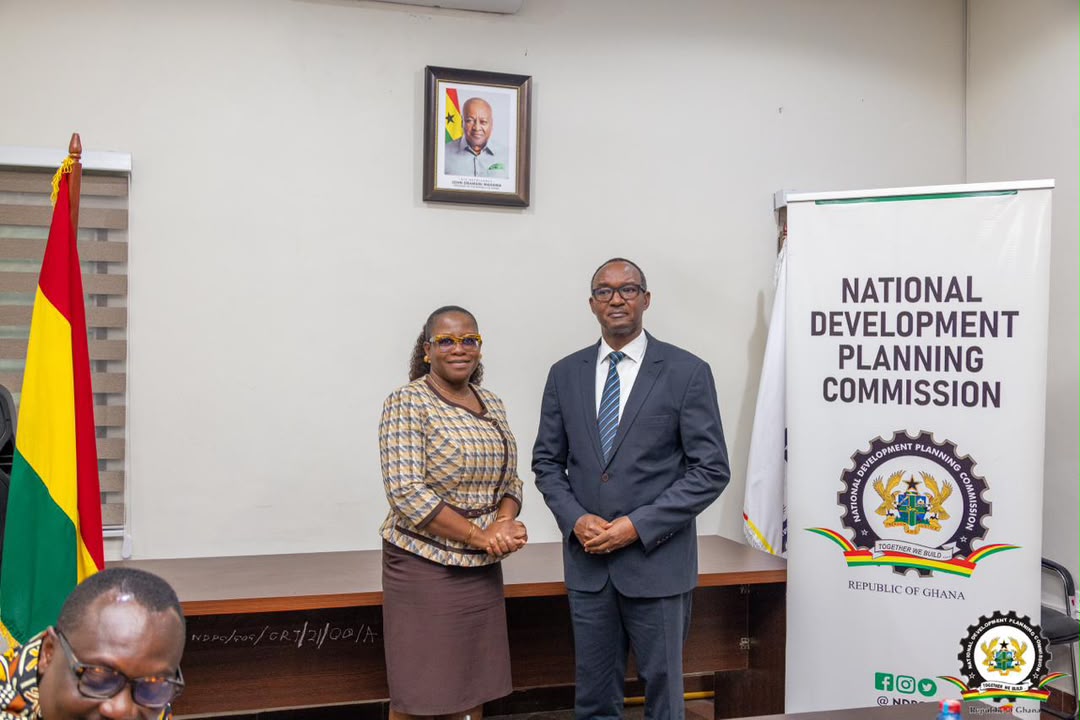
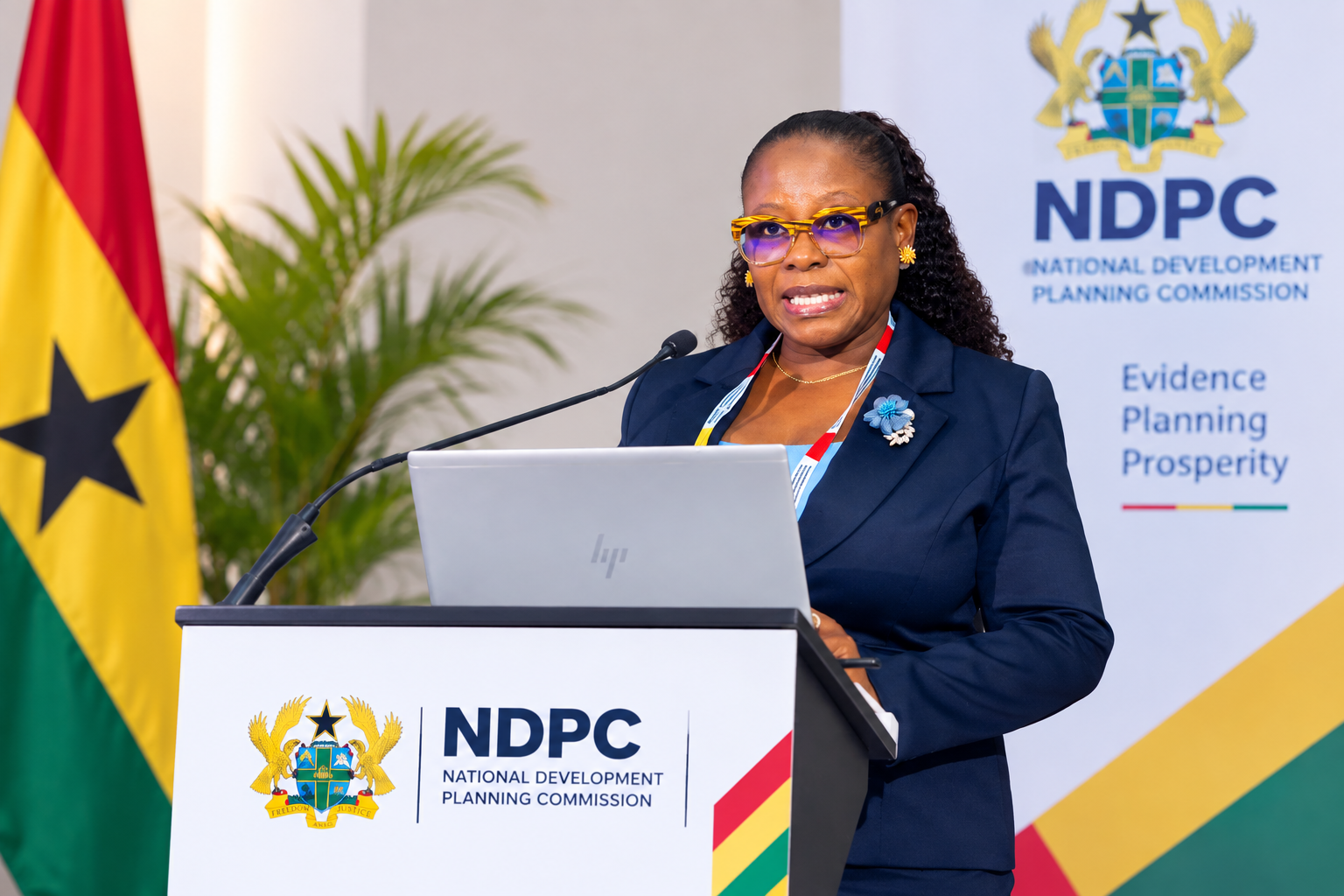
The Director-General of NDPC, Dr Audrey Smock Amoah, affirmed the Commission’s commitment to according maternal health priority in policies, plans and budgets, in line with the Medium-Term National Development Policy Framework and the Sustainable Development Goals.
She noted that the Commission would support the use of measurable indicators and targets, timely reporting and regular reviews at national and sub-national levels, stressing that PRIMER must translate commitments into implementation, accountability and safer outcomes for women and their families.
END
NDPC PR- UNIT