NDPC Pushes for Cross-Sector Action, Stresses: “Children Do Not Experience Life in Sectors”.
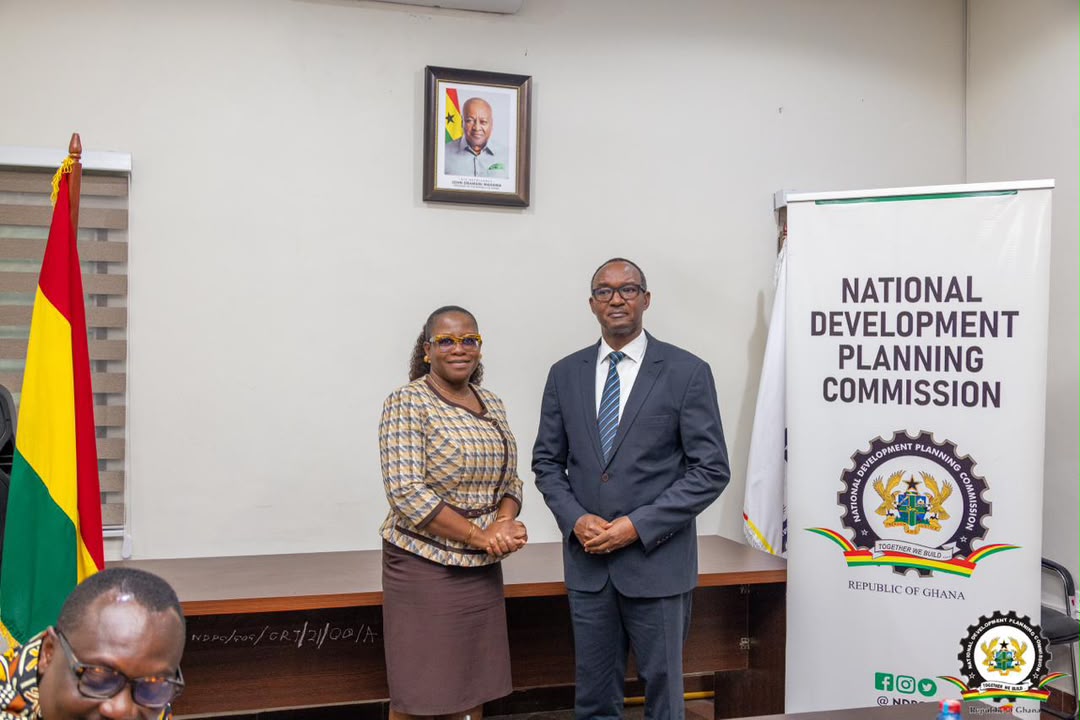
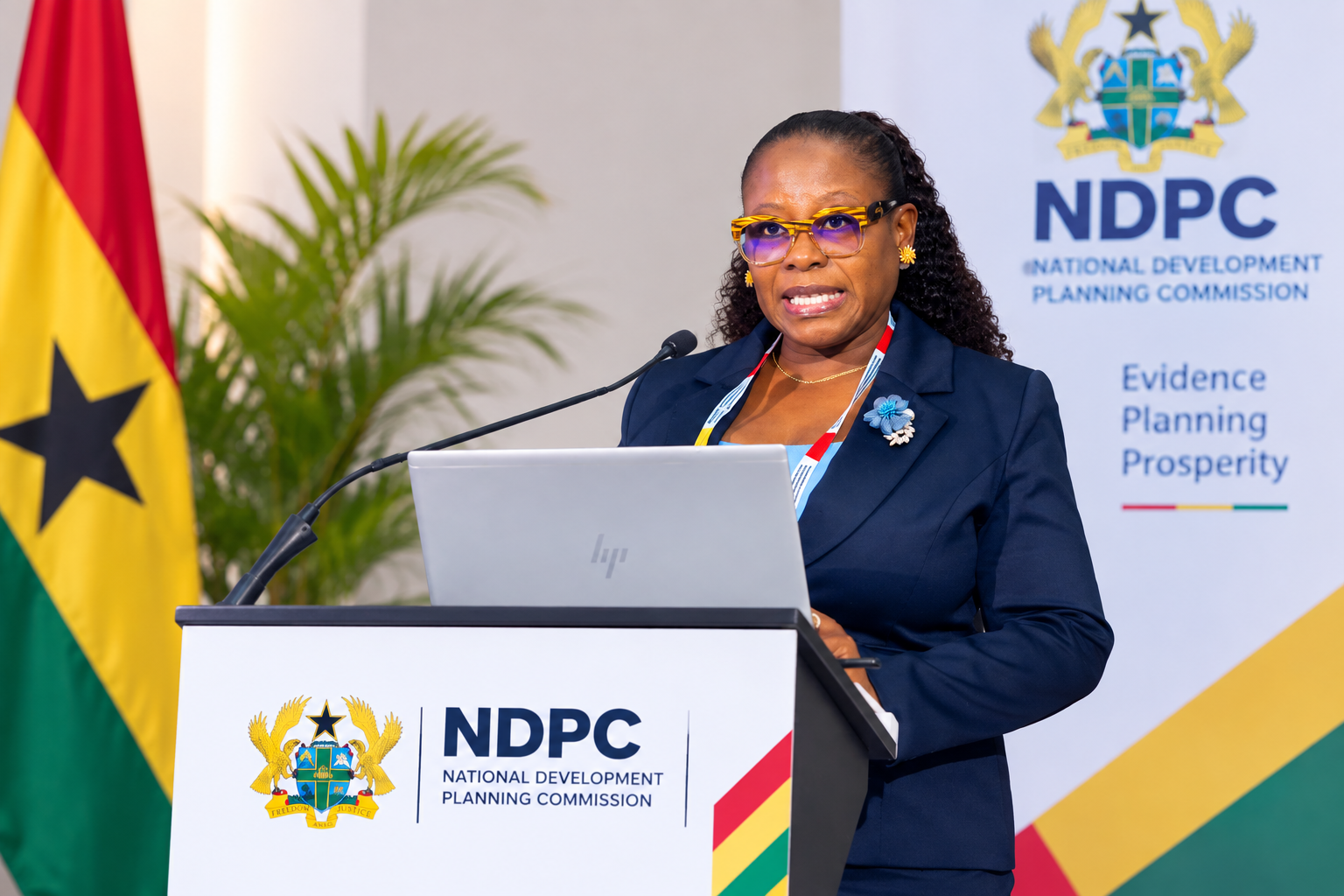
The Director-General of the National Development Planning Commission, Dr Audrey Smock Amoah, has stressed that effective national development planning must reflect the lived realities of children, emphasising that “children do not experience life in sectors” and therefore require integrated, whole-of-system responses.
Speaking at the Strategic Moment of Reflection Meeting convened today, 28th April 2026, by UNICEF in collaboration with the Government of Ghana, she explained that this principle should fundamentally reshape how policies are designed and implemented. She noted that children experience life holistically, where health, education, protection, and nutrition are interconnected rather than existing as isolated policy areas.
“Because children do not experience life in sectors, our planning must reflect a coordinated approach that brings all systems together,” she said.
Dr Amoah further highlighted that the Strategic Moment of Reflection was not a routine review, but a deliberate pause to strengthen delivery systems and ensure that development efforts produce real impact. “We are here not only to ask what has been done, but what difference it has made,” she said. “This is about moving from intention to impact, and from fragmented action to integrated delivery for every child.”
Speaking on behalf of the Deputy Minister of Finance, the Coordinating Director, Mr David Klottey highlighted the need to ensure that economic recovery translates into tangible social gains. He noted that macroeconomic stability must be felt in households, especially among children and vulnerable groups. “Macroeconomic recovery must translate into real outcomes,” he said. “Better nutrition, improved learning outcomes, access to healthcare, and stronger protection for children must be the evidence of progress.”
Mr. Gilles Fagninou, UNICEF Regional Director for West and Central Africa, reaffirmed the organisation’s commitment to supporting Ghana in scaling effective interventions and strengthening national systems.
He stressed that achieving results at scale requires breaking down silos and ensuring coordinated delivery. “We know what works; the challenge now is scale,” he said. “Ensuring that every child benefits, regardless of where they live, requires systems that work together, not in isolation.”
Providing a technical overview of policy actions by government to address critical bottlenecks and implement solutions to accelerate progress for children, Mr Richard Tweneboah Koduah, Director of Research, NDPC, highlighted the importance of aligning policy, planning, and financing to deliver results. “Child-centred development is a cross-cutting priority embedded across sectors,” he explained. “Because children do not live in sectors, our planning must reflect a coordinated, multi-sectoral approach that integrates education, health, nutrition, and protection systems.” He added that sustained financing and effective implementation remain critical to ensuring that policies translate into real improvements in the lives of children.
UNICEF Ghana
END
NDPC PR-UNIT